




Tour 4 Santiago
Cacabelos to Santiago de Compostela


 OverviewHighlights
 Program
 Hotels
 Services
 PhotosDates / Info
 Bilder
| Start | End | Price per person | Single supplement | |
|---|---|---|---|---|
| 25.05.2027 | 05.06.2027 | € 1.530,- | € 480,- | Book |
| 04.10.2027 | 15.10.2027 | € 1.530,- | € 480,- | Book |
The minimum number of participants for our group tours is usually 8 people. If this number is not reached at least 4 weeks before the start of the tour, Pilgino has the right to cancel the tour. In this case, you will receive a full refund of your deposit or the tour price already paid.
Bitte beachten Sie, dass der Flughafen von Santiago de Compostela voraussichtlich im Zeitraum zwischen dem 23.04. und 25.05.2026 wegen Renovierungsarbeiten geschlossen bleibt.
Gute Alternativen zur An- und Abreise sind die Flughäfen Vigo, A Curuña und Porto. Alle verfügen über regelmäßige Busverbindungen nach bzw. ab Santiago de Compostela.
Bus und Zugverbindungen finden Sie u.a. unter https://www.renfe.com/es/en
Schwierigkeitsgrad: mittel bis schwer
Der Aufstieg nach O Cebreiro zählt zu den anspruchsvollsten Abschnitten, doch die Ankunft in Santiago de Compostela belohnt jeden zurückgelegten Kilometer.
Wählen Sie bequem aus unseren Zusatzleistungen und gestalten so Ihr Vor- und Nachprogramm ganz individuell.
Day 1 - Arrival in Santiago de Compostela - Cacabelos
Individual arrival at Santiago de Compostela airport. From there, transfer to the Way of St. James in Cacabelos (approx. 200 km), check into your room, get to know each other and get in the mood for the Camino.
Day 2 - Cacabelos - Villafranca del Bierzo - Vega de Valcarce
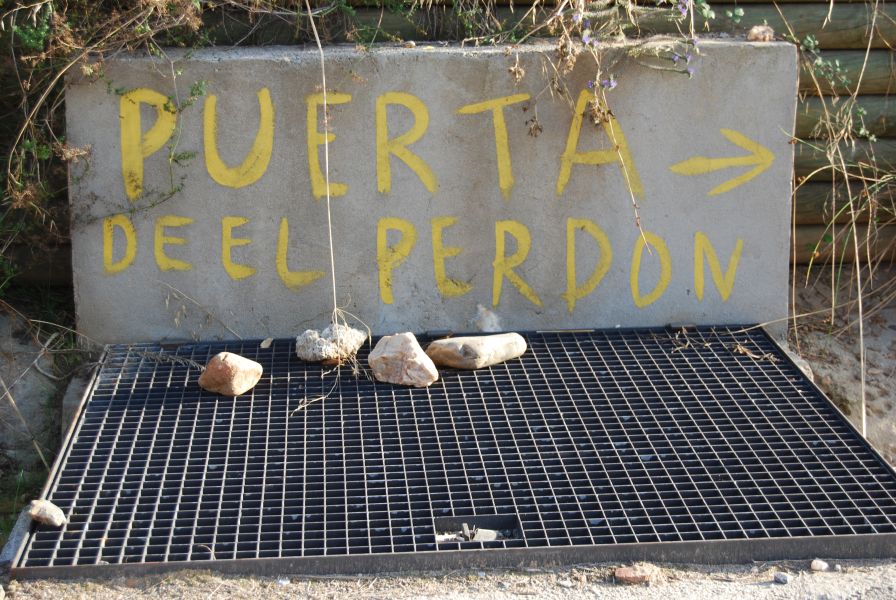
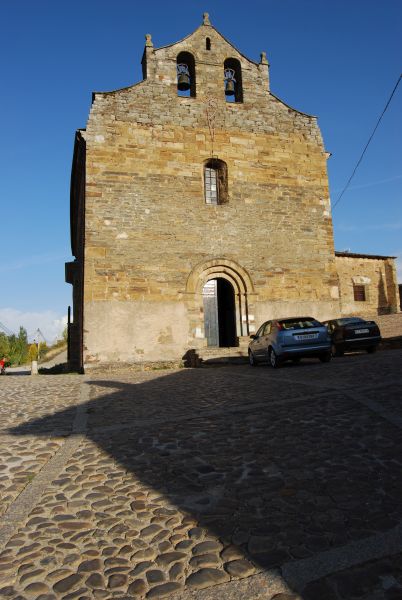
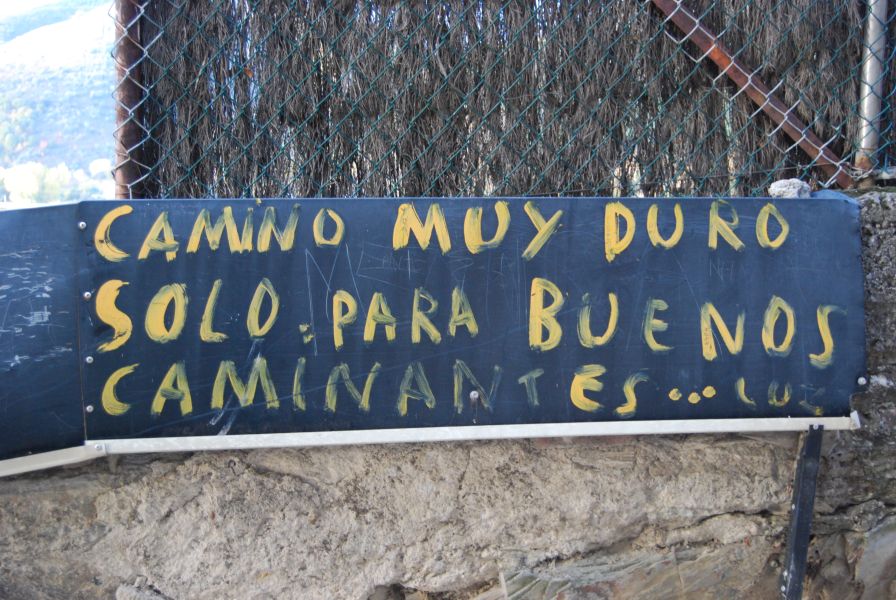
Today, as on every pilgrimage day, we offer a spiritual start to the day. This short introduction to the day is of course optional. Hike via the beautiful Villafranca del Bierzo to Vega de Valcarce. After Villafranca, there is the option of taking the so-called "Camino Duro" - 2.2 km longer and very steep in between, but much more scenic.
(23.5 km - easy or with Camino Duro 25.7 km - strenuous)
Day 3 - Vega de Valcarce - O Cebreiro
Hike up to the Cebreiro pass. Shortly before the village of O Cebreiro, the Way of St. James leaves Castile and you enter evergreen Galicia. (11.8 km - very steep in places)
Day 4 - O Cebreiro - Triacastela
Hike to Triacastela. Shortly before you reach your destination, you will see the oldest chestnut tree on the Way of St. James in the village of Ramil. It is estimated to be up to 700 years old. (20.9 km - strenuous and a lot of downhill)
Day 5 - Triacastela - San Xil - Sarria
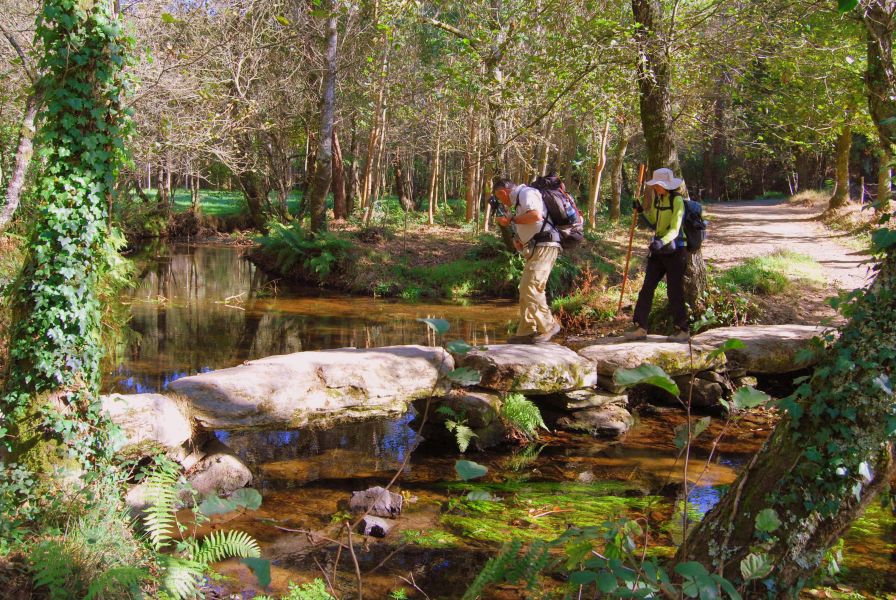
Hike to Sarria. Rustic forests and tiny villages are reminiscent of an enchanted fairytale land. After Sarria, the route climbs steadily once again, requiring the pilgrims' stamina. (17.6 km - medium difficulty)
Day 6 - Sarria - Portomarín
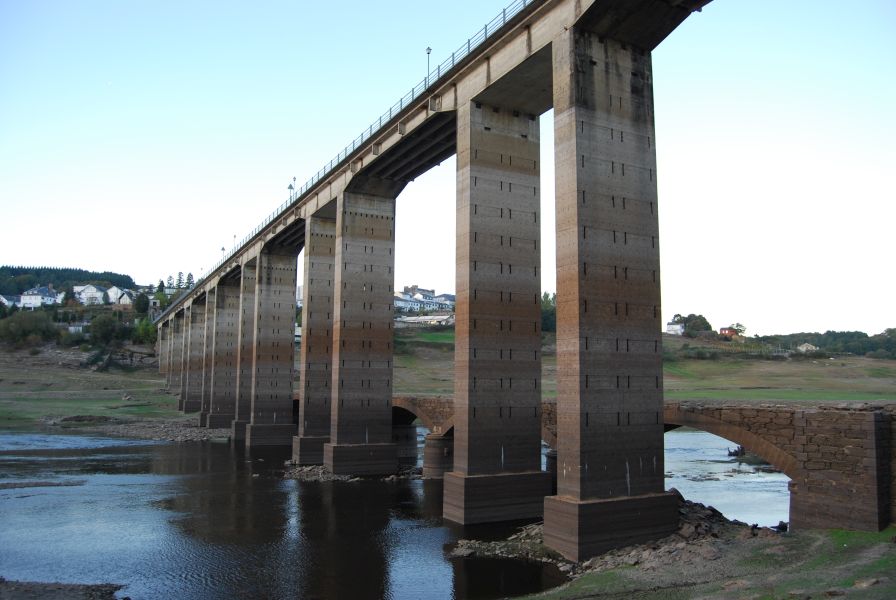
The route leads over many narrow paths to Portomarín. The village had to make way for a reservoir in the 1960s and has been rebuilt in parts on the hill, stone by stone. When the water level is low, the remains of the old Portomarín can be seen in the valley. (23.1 km - easy, downhill at the end)
Day 7 - Portomarín - Palas de Rei
The Way of St. James leads the pilgrim through many forests to Hospital de Cruz and on over the beautiful Sierra de Ligonde to Palas de Rei. (23.9 km - medium difficulty)
Day 8 - Palas de Rei - Mélide - Castañeda
Hike via Mélide with its famous pulperías and on through many small villages to Castañeda. (25 km - moderately difficult, slightly longer stage)
Day 9 - Castañeda - Rua de Arca
Hike to Rua de Arca. The route continues through eucalyptus forests towards the destination of all the Way of St. James. (23.4 km - easy)
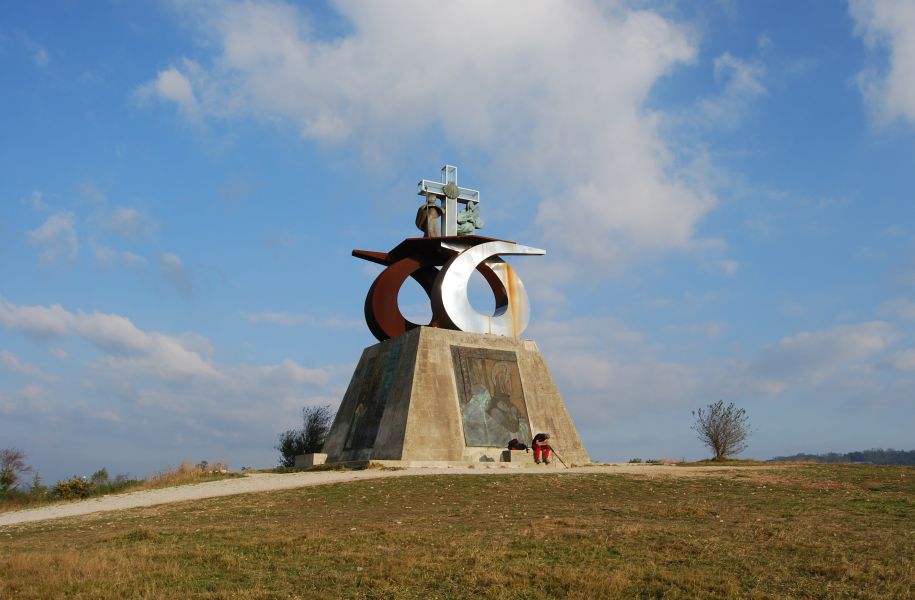
Day 10 - Rua de Arca - Monte do Gozo - Santiago de Compostela
Hike over the Mountain of Joy (Monte do Gozo) to the long-awaited pilgrimage destination of Santiago de Compostela. (20.5 km - easy)
Day 11 - Santiago de Compostela
Free day in Santiago, possibility to visit the pilgrims' mass, possibly guided tour of the city, issue of the pilgrim's certificate "Compostela" at the pilgrims' office, farewell to the Way of St. James.
Day 12 - Santiago de Compostela - journey home
Return journey from Santiago de Compostela
or continuation of the Way of St. James with Tour 5
- Transfer from Santiago airport to the starting point of the pilgrimage on the day of arrival*
- 11 nights in a double room/ or single room (possible with supplement)
- Half board**
- Tour guide***
- Luggage transportation (1 piece of luggage, weight max. 15 kg, dimensions: height max. 70 cm, width + depth max. 85 cm)
- Support vehicle
- Pilgrim's folder
- Pilgrim's identity card
- Travel insurance certificate
* Transfer airport - Way of St. James: We will give you an arrival time (and departure time) at one of the main airports for the Way of St. James. You travel independently until this time and we organize the transfer to the Way of St. James (or back).
** Half board: Meals generally start with dinner on the day of arrival and end with breakfast on the day of departure. Exceptions: Meals on the rest days in Burgos (Tour 2), Leon (Tour 3) and Fisterra (Tour 5) are not included in the tour price and are self-organized. Meals on Tour 4 end with dinner on the day of arrival in Santiago.
*** No support from the tour guide on the rest days and on the days off. The tour guide does not walk with the pilgrims on the Way of St. James on the pilgrimage days, but organizes the luggage transport and can be reached with the support vehicle in case of emergencies.
Services nicht inklusive
La Gallega
Casa Las Rocas
Casa Carolo
Complexo Xacobeo
Mar de Plata
El Caminante#LF#
Hotel Alda Palas de Rei
La Calleja
Casa O Acivro
San Martín Pinario
San Martín Pinario
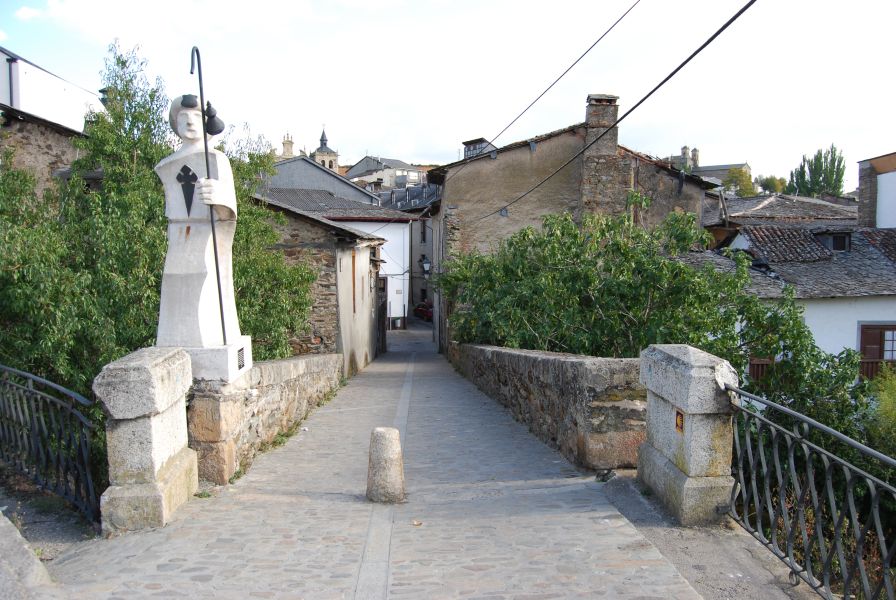
This pilgrimage starts in Cacabelos. Via Vega de Valcarce, we make the pilgrimage up to the mystical Cebreiro Pass and into evergreen Galicia, characterized by a seemingly endless number of small villages. In Galicia, more than in any other region of Spain, Celtic customs and the belief in witches have been preserved.
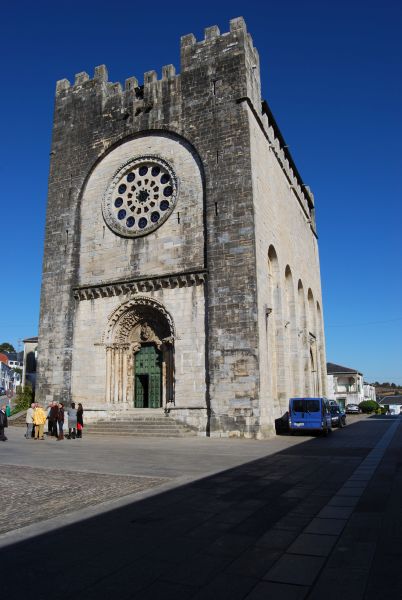
After Triacastela, the pilgrims reach Portomarín, a village that had to make way for a reservoir in the 1960s and was completely rebuilt on the mountainside. The old village church was taken down stone by stone and rebuilt on the mountain.
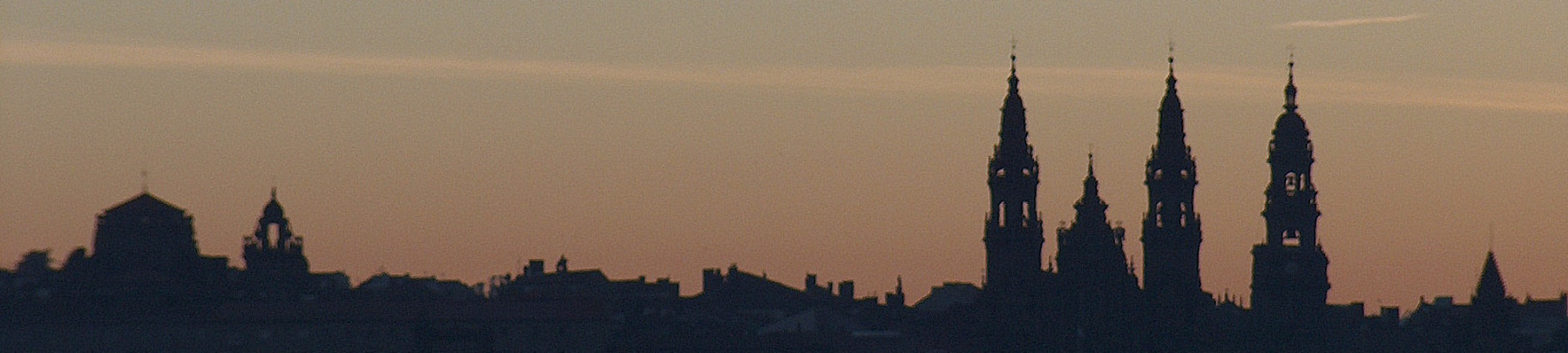
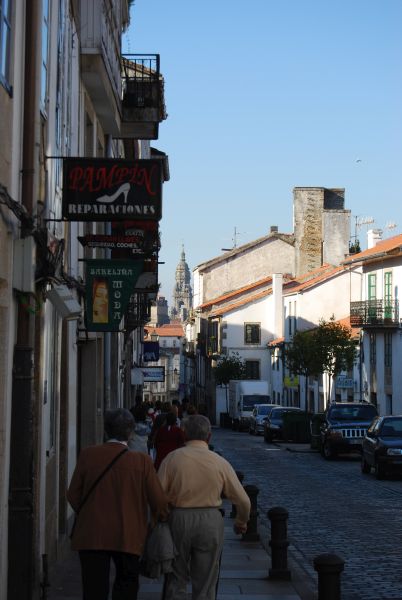
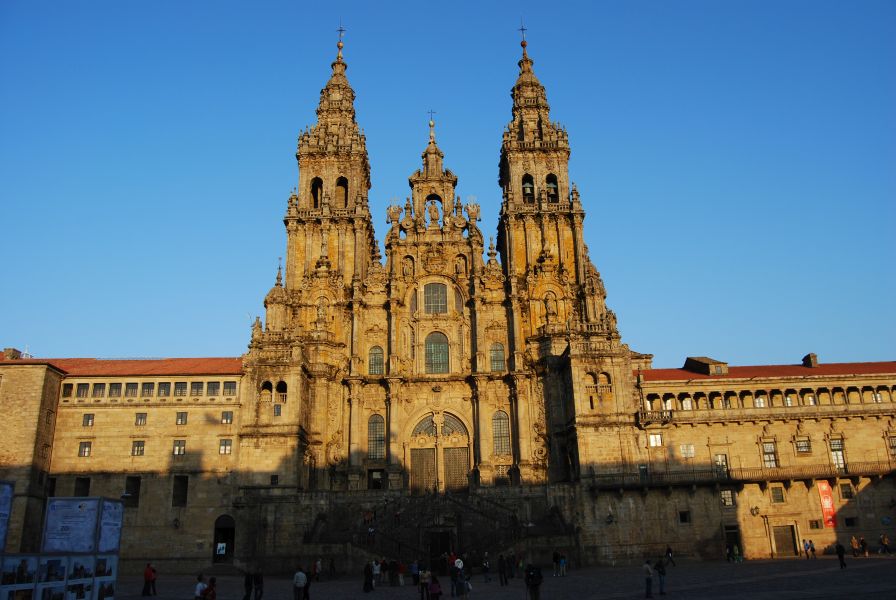
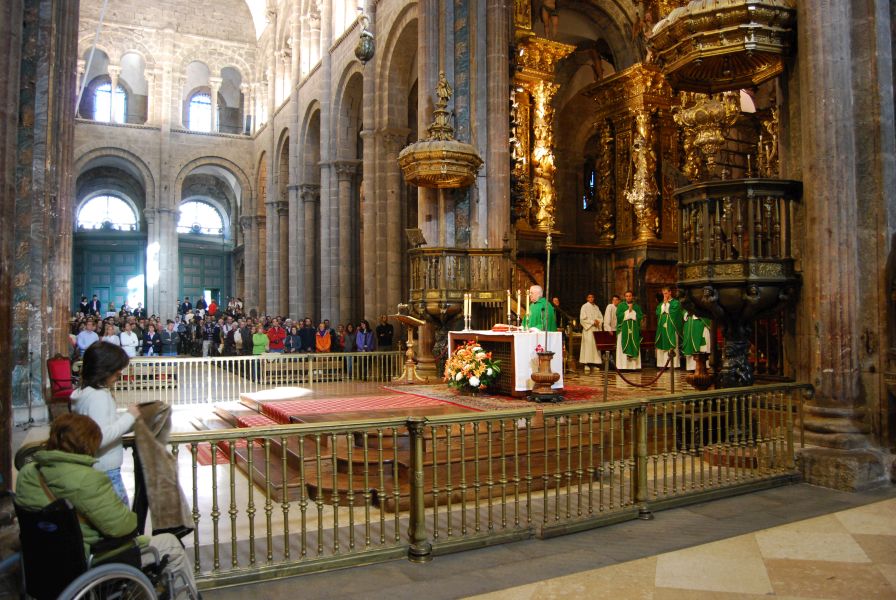
After Portomarín, the Way of St. James continues along sometimes fairytale pilgrimage paths and through medieval villages towards the longed-for pilgrimage destination: Santiago de Compostela. Once there, our pilgrims have enough time to explore this beautiful city, attend the pilgrims' mass and receive the pilgrim's certificate "Compostela" at the pilgrims' office.
approx. 190 walking kilometers
Day 1 - Arrival in Santiago de Compostela - Cacabelos
Individual arrival at Santiago de Compostela airport. From there, transfer to the Way of St. James in Cacabelos (approx. 200 km), check into your room, get to know each other and get in the mood for the Camino.
Day 2 - Cacabelos - Villafranca del Bierzo - Vega de Valcarce
Today, as on every pilgrimage day, we offer a spiritual start to the day. This short introduction to the day is of course optional. Hike via the beautiful Villafranca del Bierzo to Vega de Valcarce. After Villafranca, there is the option of taking the so-called "Camino Duro" - 2.2 km longer and very steep in between, but much more scenic.
(23.5 km - easy or with Camino Duro 25.7 km - strenuous)
Day 3 - Vega de Valcarce - O Cebreiro
Hike up to the Cebreiro pass. Shortly before the village of O Cebreiro, the Way of St. James leaves Castile and you enter evergreen Galicia. (11.8 km - very steep in places)
Day 4 - O Cebreiro - Triacastela
Hike to Triacastela. Shortly before you reach your destination, you will see the oldest chestnut tree on the Way of St. James in the village of Ramil. It is estimated to be up to 700 years old. (20.9 km - strenuous and a lot of downhill)
Day 5 - Triacastela - San Xil - Sarria
Hike to Sarria. Rustic forests and tiny villages are reminiscent of an enchanted fairytale land. After Sarria, the route climbs steadily once again, requiring the pilgrims' stamina. (17.6 km - medium difficulty)
Day 6 - Sarria - Portomarín
The route leads over many narrow paths to Portomarín. The village had to make way for a reservoir in the 1960s and has been rebuilt in parts on the hill, stone by stone. When the water level is low, the remains of the old Portomarín can be seen in the valley. (23.1 km - easy, downhill at the end)
Day 7 - Portomarín - Palas de Rei
The Way of St. James leads the pilgrim through many forests to Hospital de Cruz and on over the beautiful Sierra de Ligonde to Palas de Rei. (23.9 km - medium difficulty)
Day 8 - Palas de Rei - Mélide - Castañeda
Hike via Mélide with its famous pulperías and on through many small villages to Castañeda. (25 km - moderately difficult, slightly longer stage)
Day 9 - Castañeda - Rua de Arca
Hike to Rua de Arca. The route continues through eucalyptus forests towards the destination of all the Way of St. James. (23.4 km - easy)
Day 10 - Rua de Arca - Monte do Gozo - Santiago de Compostela
Hike over the Mountain of Joy (Monte do Gozo) to the long-awaited pilgrimage destination of Santiago de Compostela. (20.5 km - easy)
Day 11 - Santiago de Compostela
Free day in Santiago, possibility to visit the pilgrims' mass, possibly guided tour of the city, issue of the pilgrim's certificate "Compostela" at the pilgrims' office, farewell to the Way of St. James.
Day 12 - Santiago de Compostela - journey home
Return journey from Santiago de Compostela
or continuation of the Way of St. James with Tour 5
Galerie
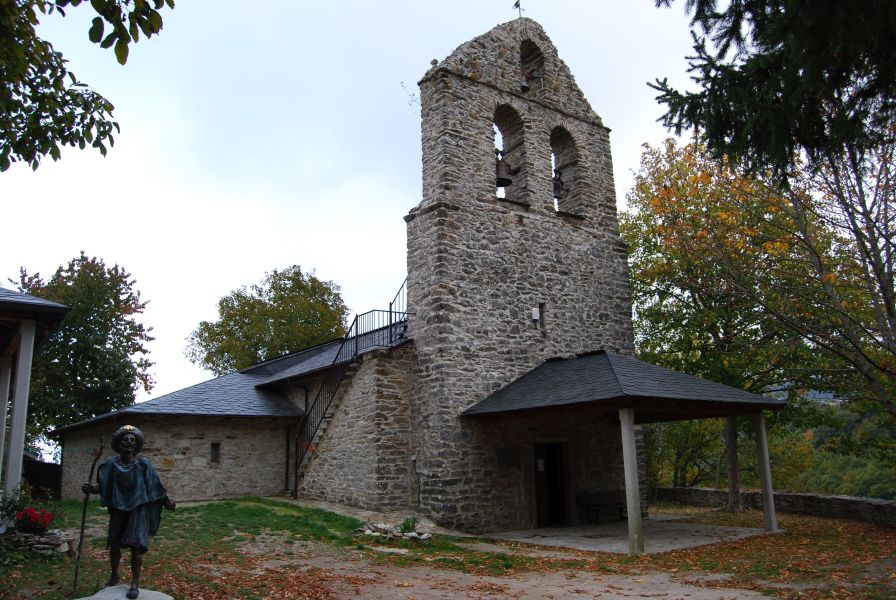
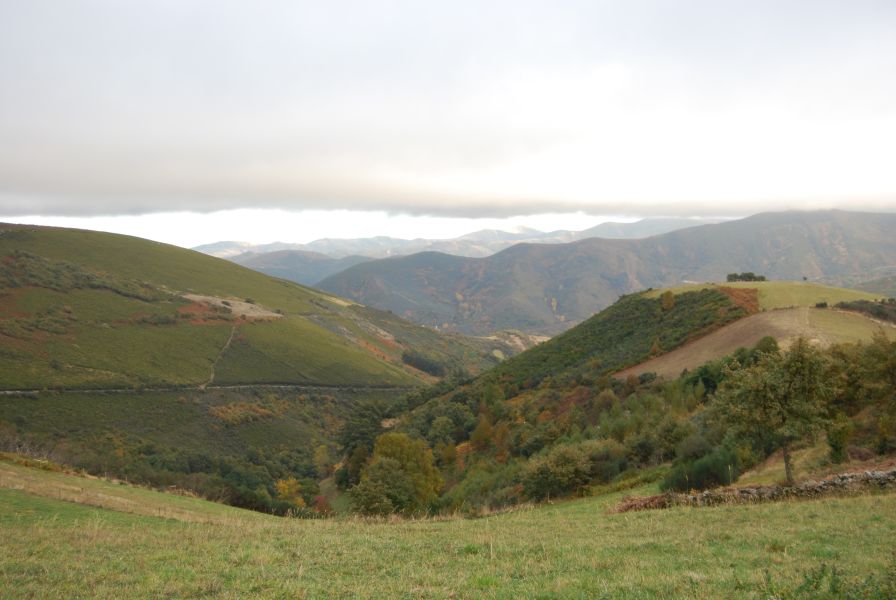
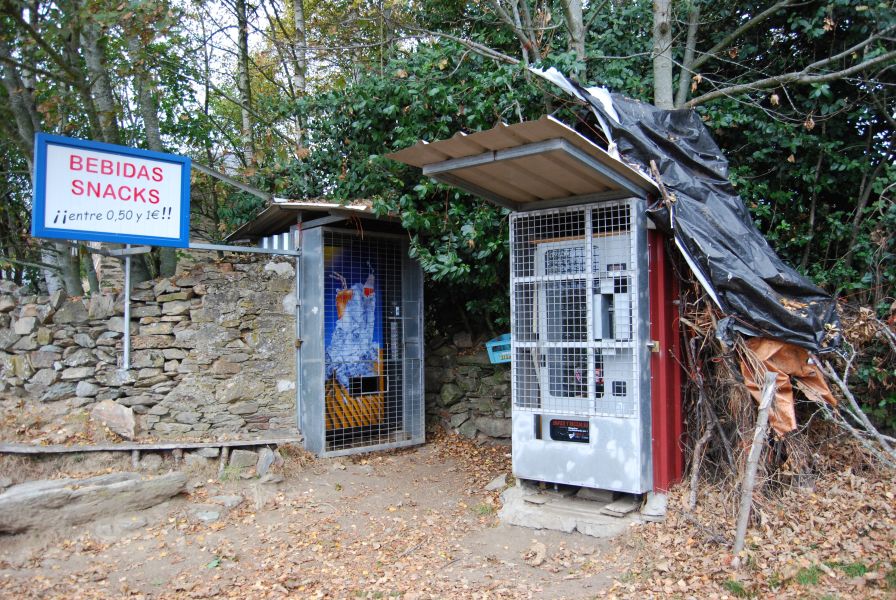
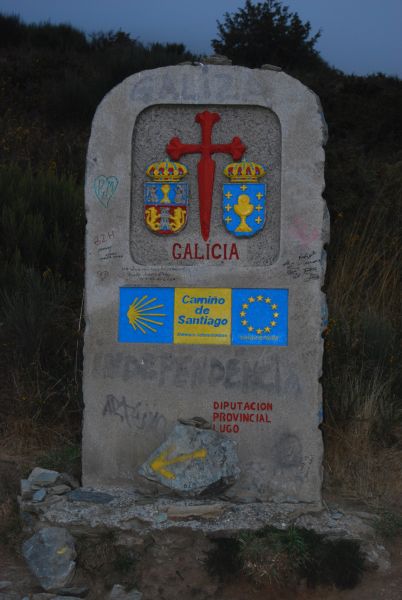
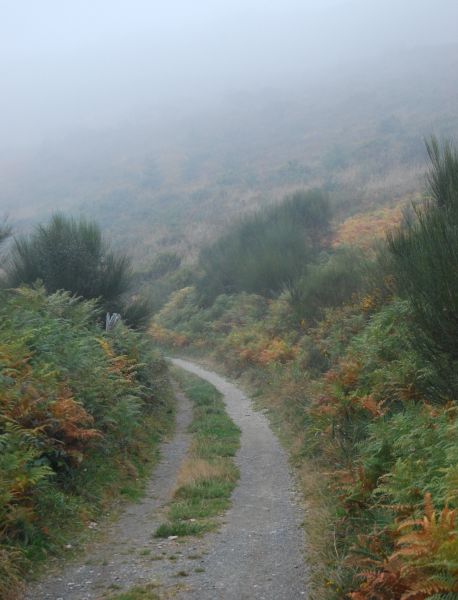
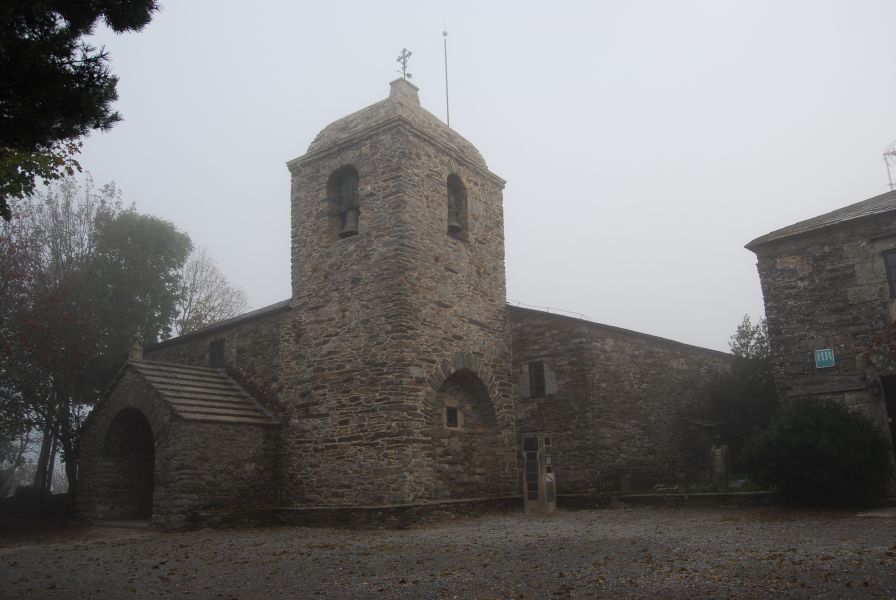
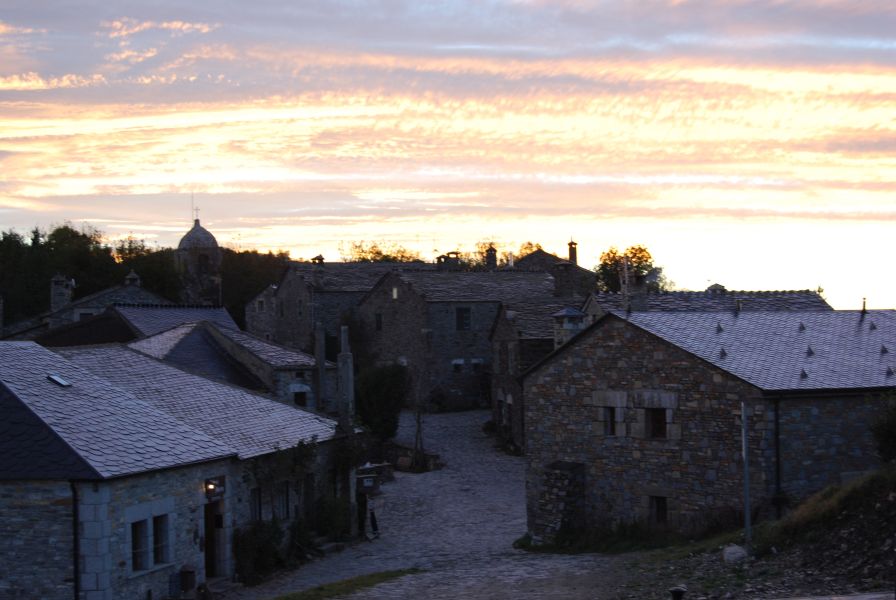
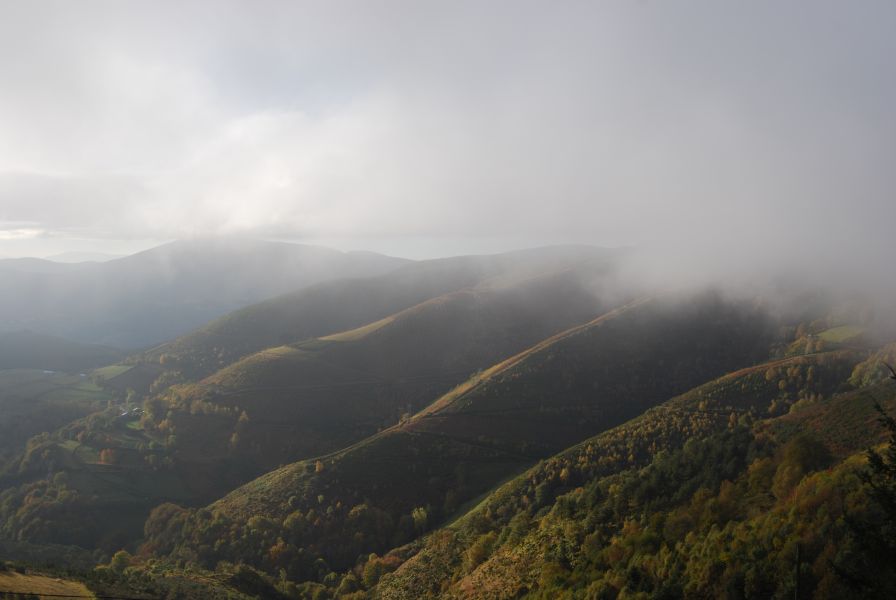
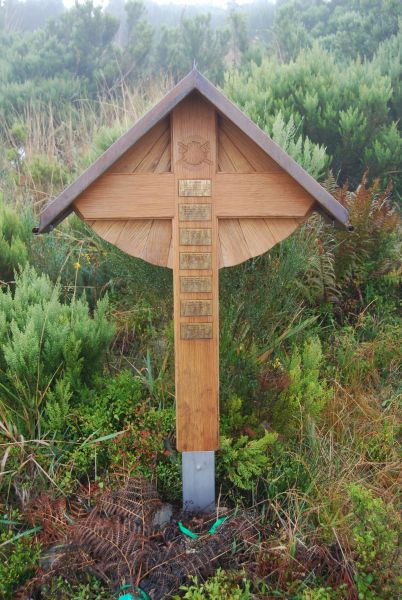
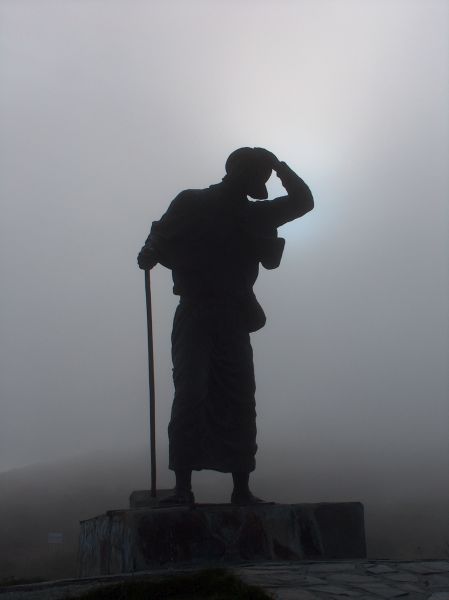
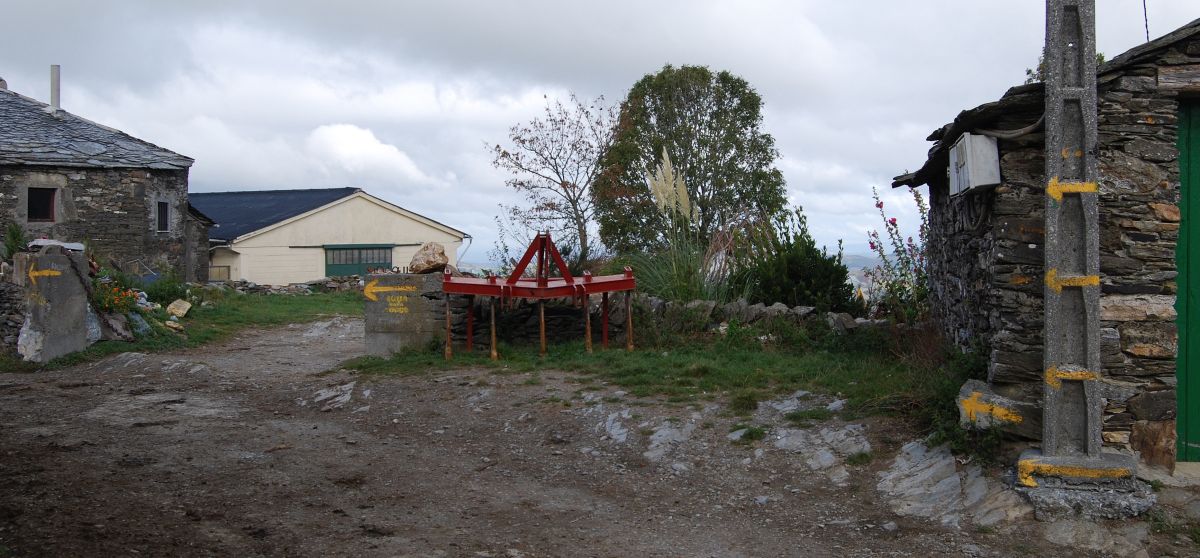
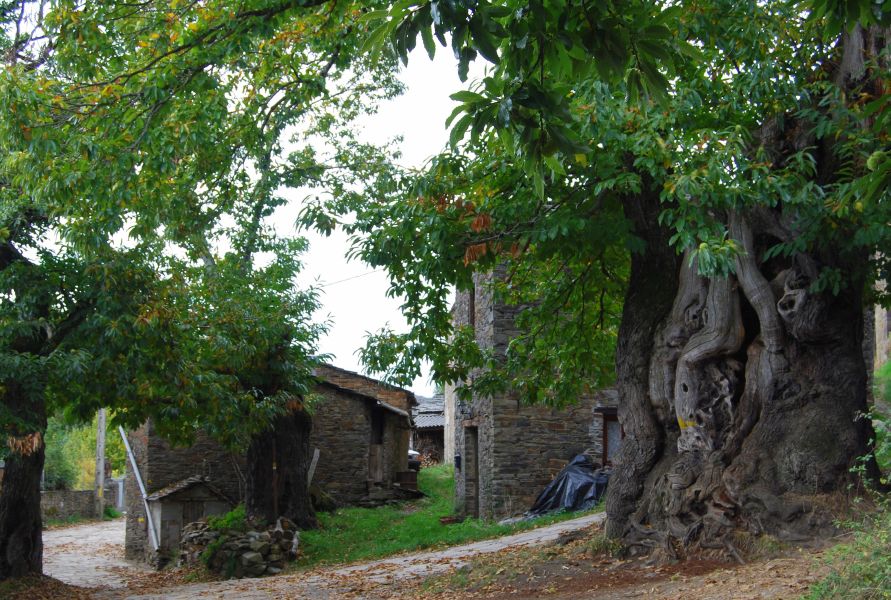
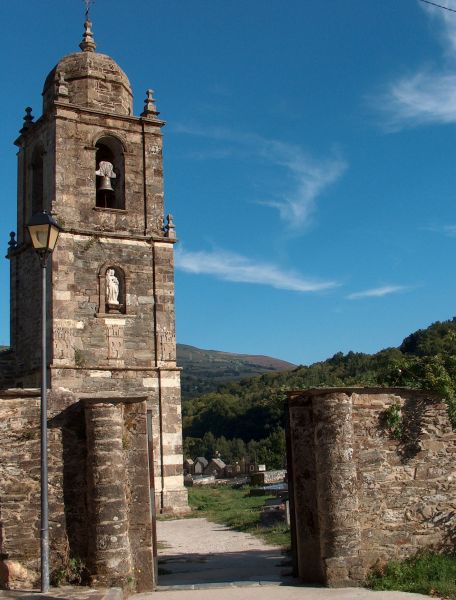
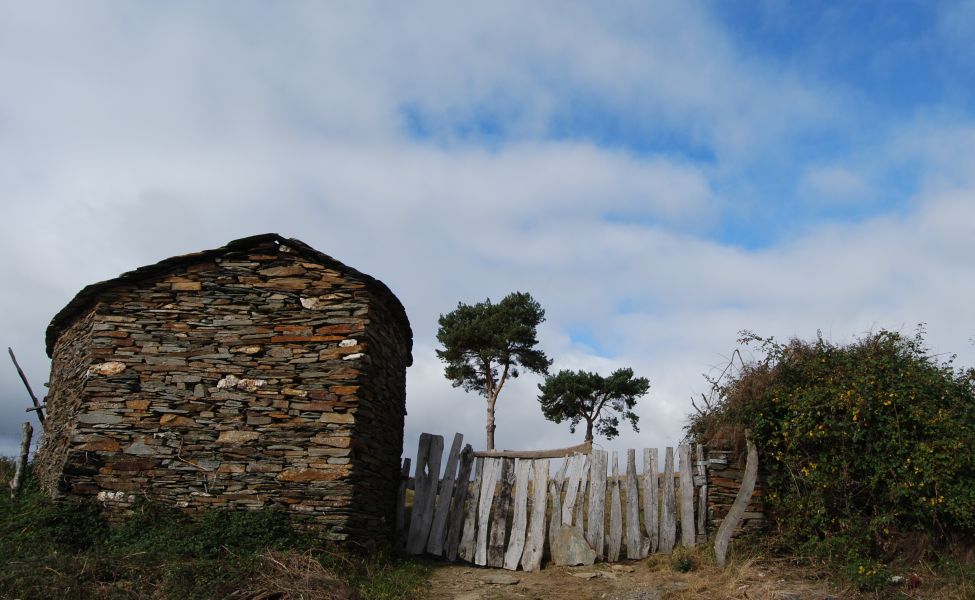
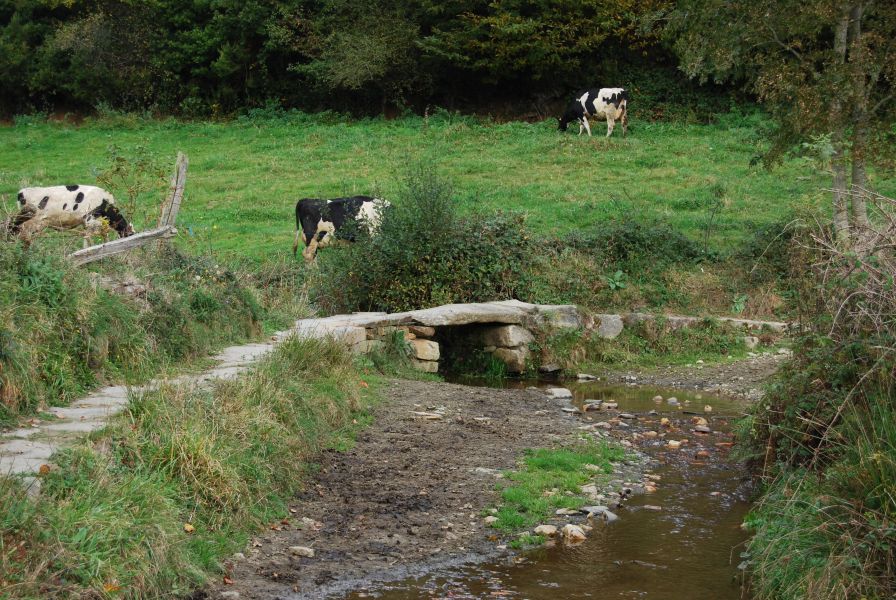
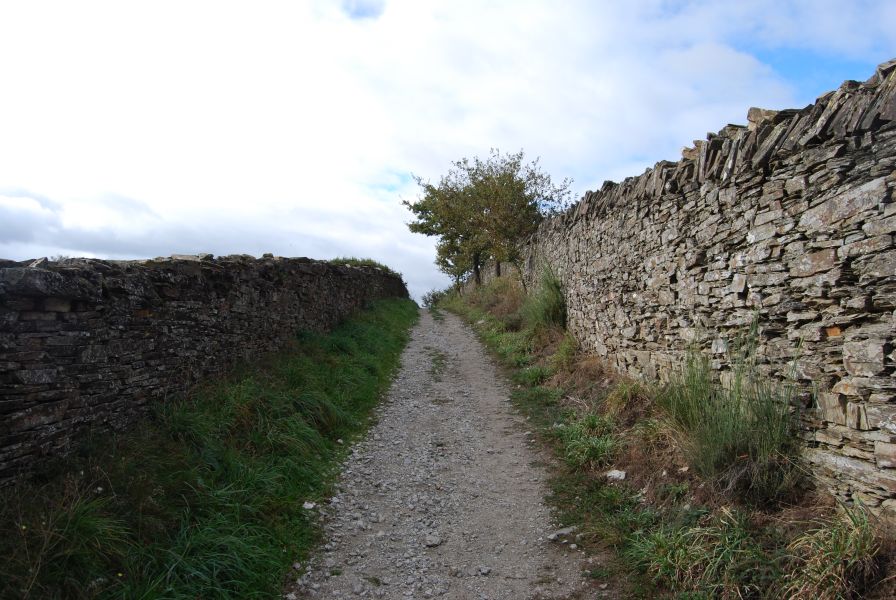
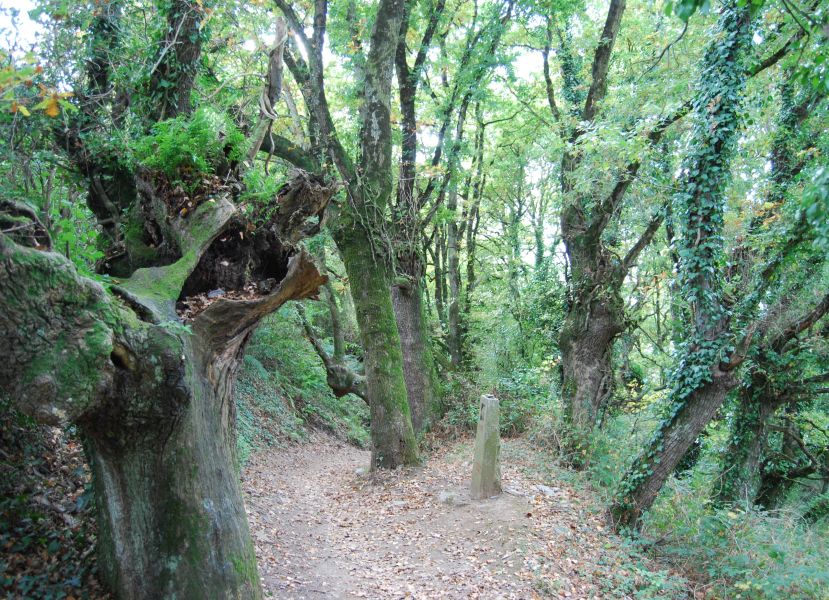
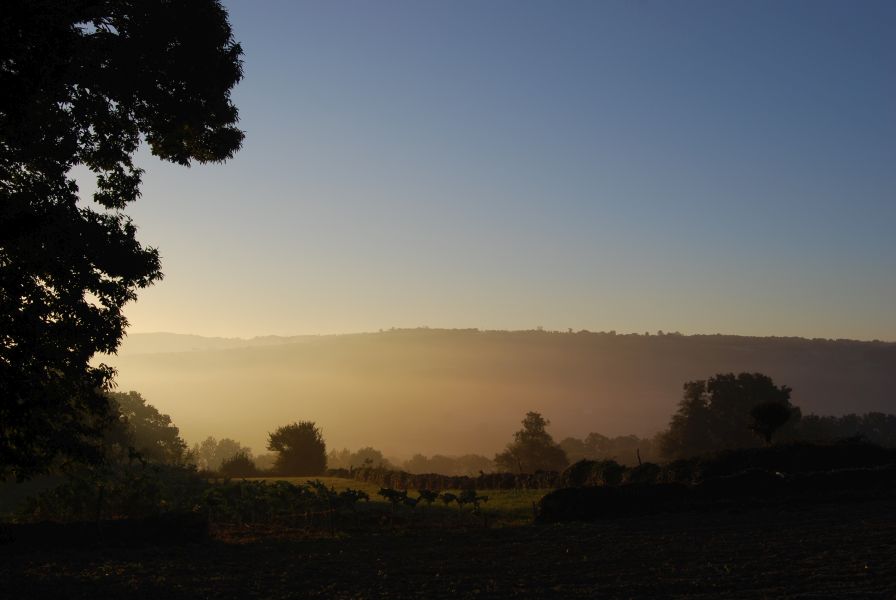
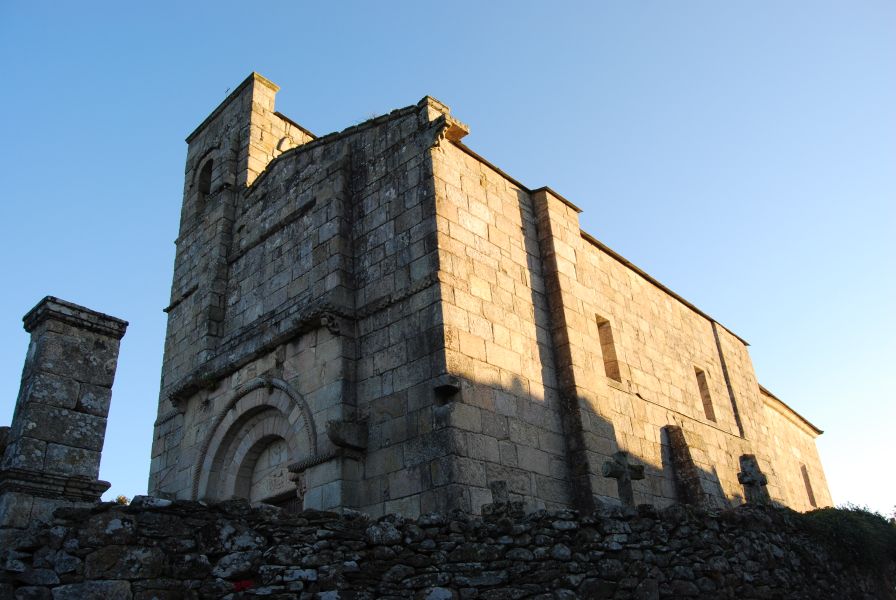
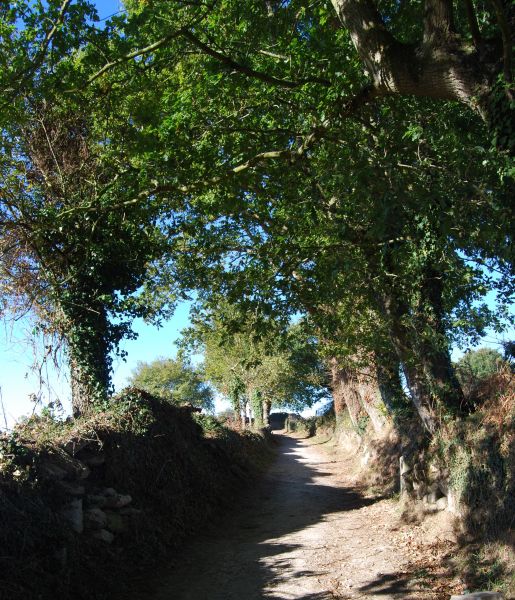
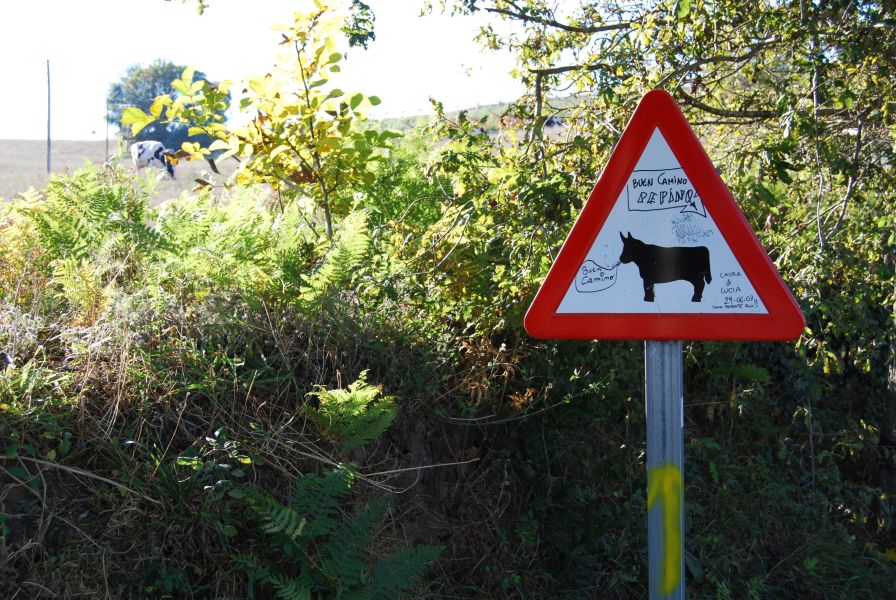
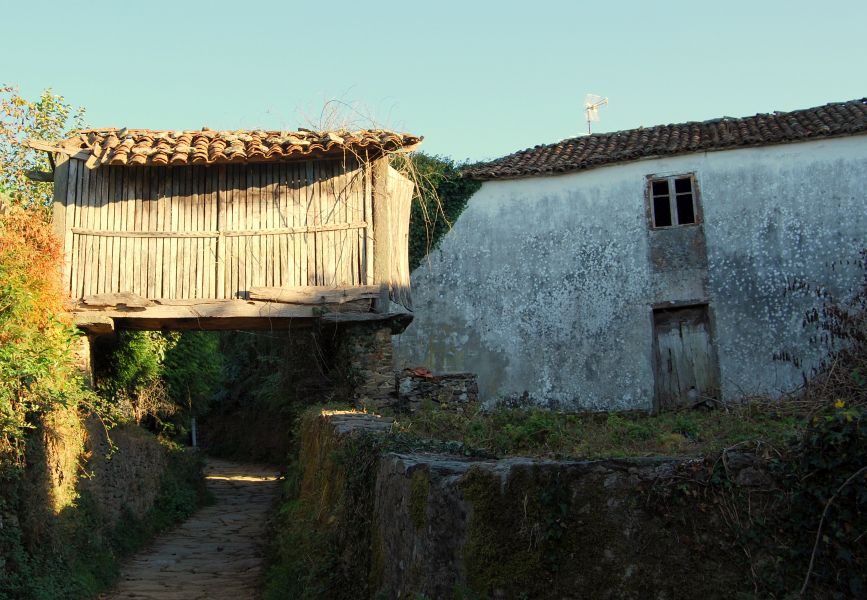
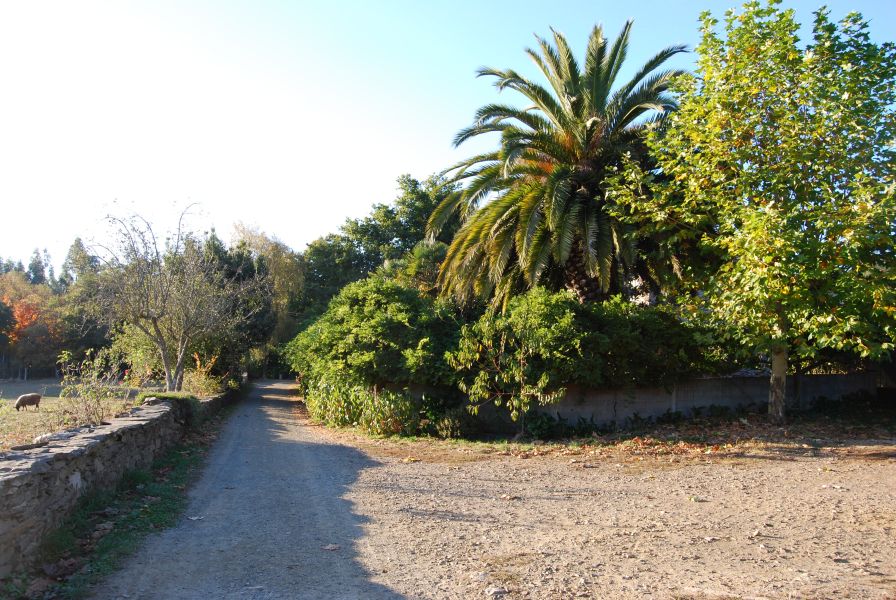
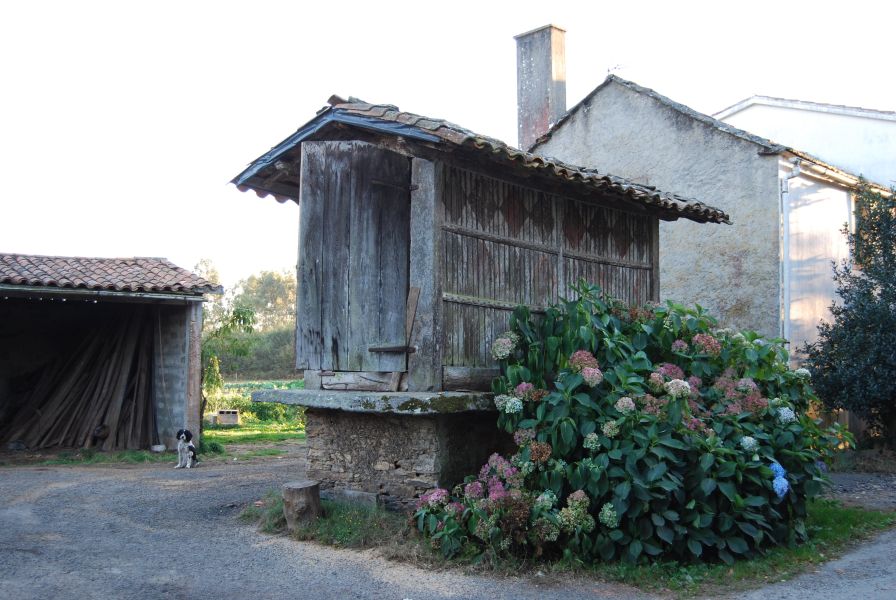
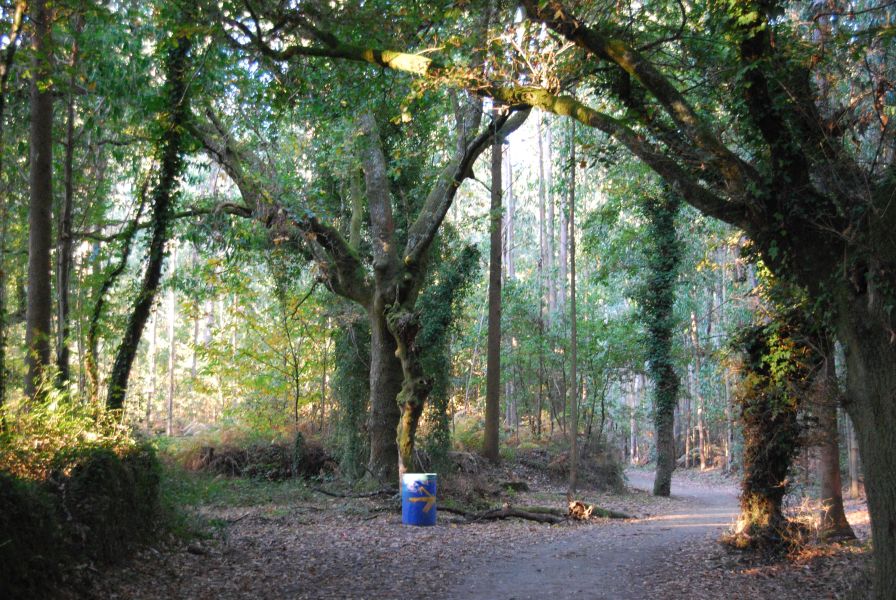
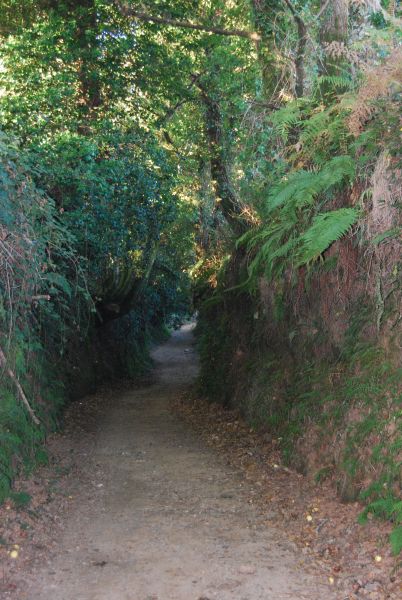
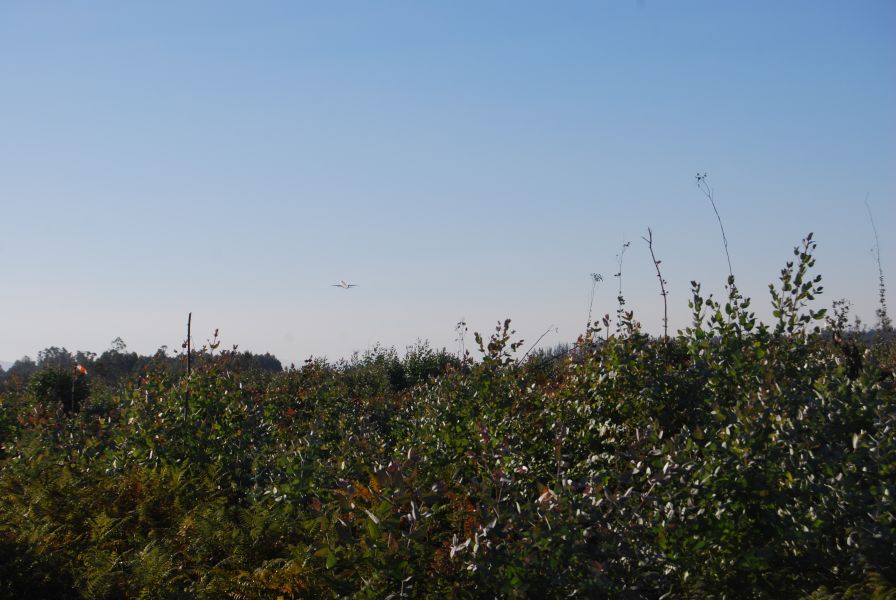
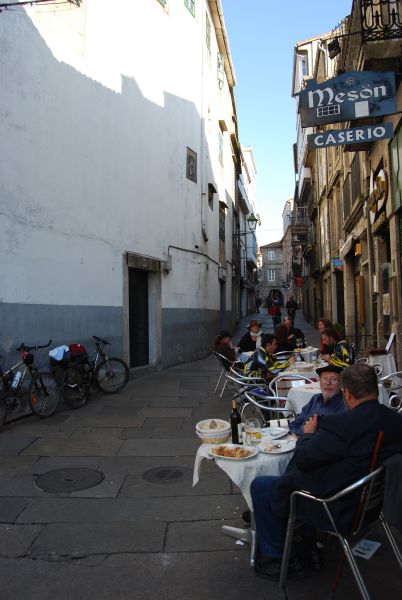
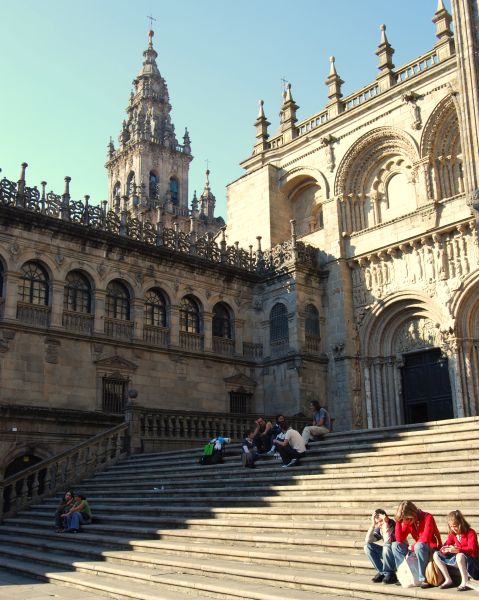
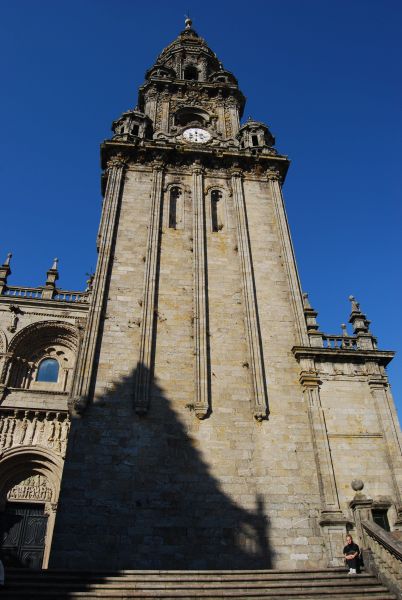
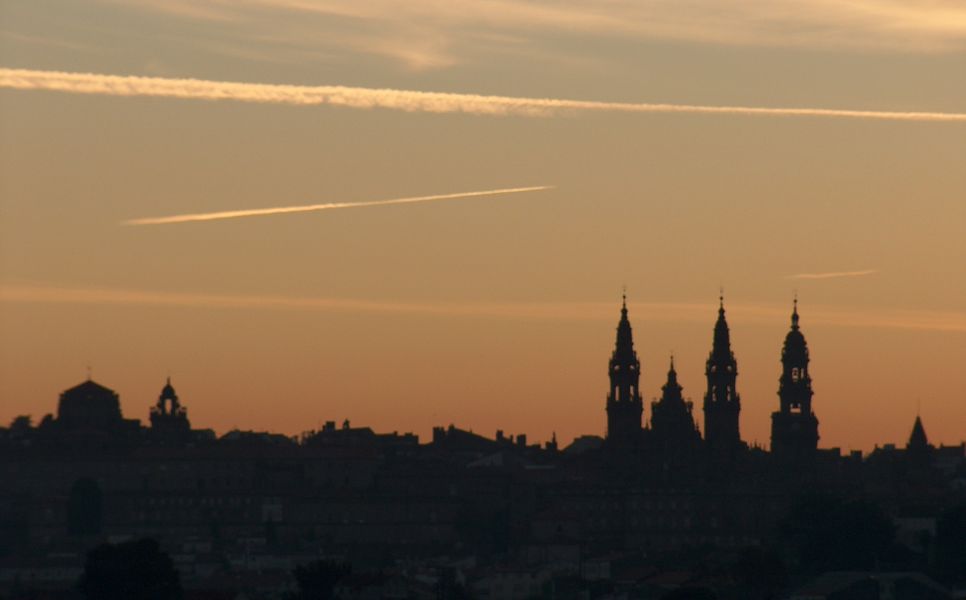
This pilgrimage starts in Cacabelos. Via Vega de Valcarce, we make the pilgrimage up to the mystical Cebreiro Pass and into evergreen Galicia, characterized by a seemingly endless number of small villages. In Galicia, more than in any other region of Spain, Celtic customs and the belief in witches have been preserved.
After Triacastela, the pilgrims reach Portomarín, a village that had to make way for a reservoir in the 1960s and was completely rebuilt on the mountainside. The old village church was taken down stone by stone and rebuilt on the mountain.
After Portomarín, the Way of St. James continues along sometimes fairytale pilgrimage paths and through medieval villages towards the longed-for pilgrimage destination: Santiago de Compostela. Once there, our pilgrims have enough time to explore this beautiful city, attend the pilgrims' mass and receive the pilgrim's certificate "Compostela" at the pilgrims' office.
approx. 190 walking kilometers
This offer is a pilgrimage group tour planned and organized by Pilgino. Breakfast and dinner are taken together. There is also a voluntary "start of the day" every morning by the tour guide for the whole group. Pilgrims are not necessarily required to walk in a group, but can choose their own pace and the intervals between breaks.
The tour guide does not go on pilgrimage with the participants, but drives the support vehicle, takes care of luggage transportation and can be contacted by telephone if necessary. Our tour guides are themselves experienced pilgrims who are happy to help and advise the participants.
- Ascent to the mystical Cebreiro Pass
- Galician plateaus and forest landscapes
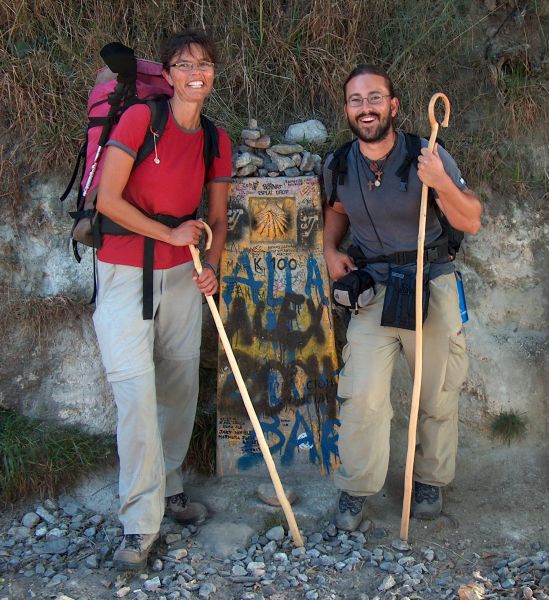
- Sarria - starting point of the last 100 km
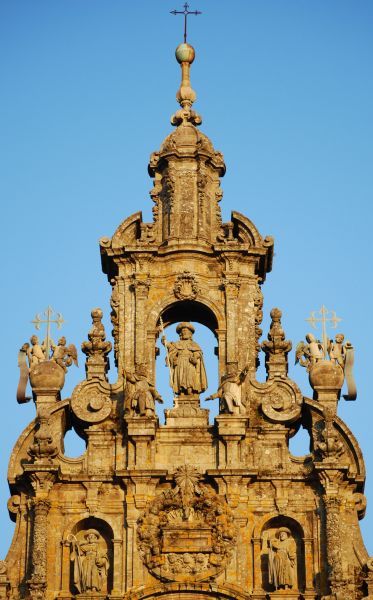
- Arrival at the cathedral of Santiago de Compostela

- Personal consultation
- No booking fee
- Faire Pricee
- On-site support